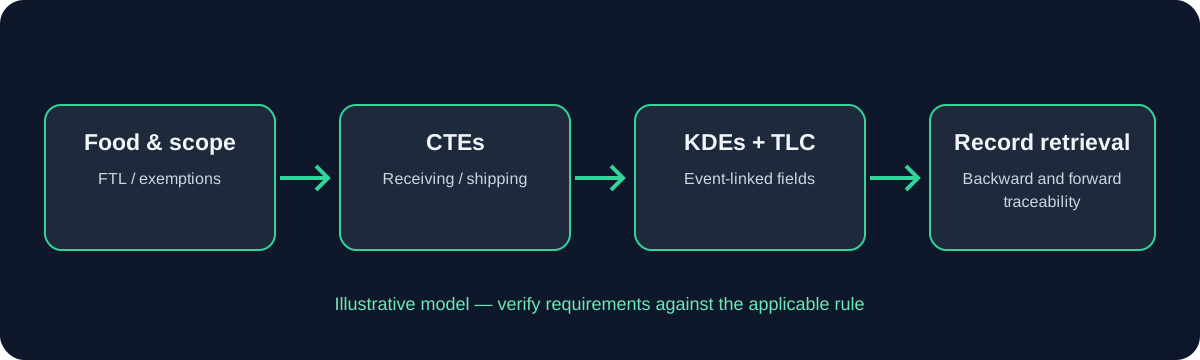
What this guide covers
Primary sources take priority: legal text, applicable legislation, current FDA rules/guidance, Federal Register notices, and official government publications. Secondary sources do not replace primary support for legal claims.
Practical implementation
Content should use original explanations and practical examples. Draft guidance is labelled as draft; fictional examples are identified; publication/review dates reflect real work. Corrections should be checked against reliable sources.
Limitations and verification
No author credentials, reviewers, affiliations, endorsements, or regulatory approvals are claimed unless genuine and verified.
How corrections and updates are handled
Regulatory claims should be checked against primary sources such as the current eCFR and FDA pages. Secondary explanations may help readers understand context but should not override the regulatory text. Draft guidance must be labelled as draft and non-binding. If the source does not answer a point, the article should state the limitation rather than filling the gap with an unsupported assertion.
How claims are reviewed
When a material error is identified, record the affected page, the claim, the correct source, the date of correction and whether related pages also need review. A displayed review date should reflect a substantive review. Readers should be able to report an error through the contact route; the editorial owner should assess and respond proportionately.
How to verify this information
Official and supporting sources
Verify important regulatory claims against primary sources. Draft guidance is non-binding.
Educational information only. The regulation and current official guidance control. This page is not legal advice, FDA approval, or a guarantee of compliance.